

“Hey, is everything okay here?”
”Yes, yes, yes, everything is fine. Don't worry” - he replied.
”But I asked her?”
I was sitting in the park listening to a podcast on a sunny September afternoon in Lisbon. I saw this guy approaching a woman who was chilling by the river. They were in front of me, so I kept noticing bits of their interaction.
The guy was doing most of the talking, and she was just nodding along. She kept looking away, checking her watch and phone, her body turned away from him. After 20 minutes of this, I had a growing feeling in my gut telling me something could be off.
So I walked up to them and started the conversation I opened this post with. She didn’t speak English, but said yes, everything was fine. As I went back to my place, I noticed her looking towards me and giving me a quick smile. A few minutes later, the guy left.
I kept thinking about it afterwards. It was the first time I’d intervened like this. Had I overstepped? Was it my role to step in and “protect” her? What would have been the safest way to check in?
So I asked my women friends on Instagram. I was overwhelmed by how grateful they were that I’d stepped in. Not a single one of them thought I’d overstepped. Their answers also helped me understand how to handle something like this in the future.
A few of the men asked me to share the answers, so that gave me the idea to write a post about it. Here’s what my friends shared.
Did I overstep? They didn’t think so. They told me that if everything were fine, they would have laughed about it. If they’d felt unsafe, having someone check in could have made a real difference.
How to approach these situations? Their advice was to check in rather than confront. My first impulse had been to confront the guy, but I didn’t actually know what was happening between them. Asking her felt like a better place to start.
A check-in also lets both people know that someone has noticed the interaction. My friends said that alone could help them feel safer.
A few others suggested I could have pretended to be her friend, and saying sorry I am late. If she's uncomfortable, she would play along.
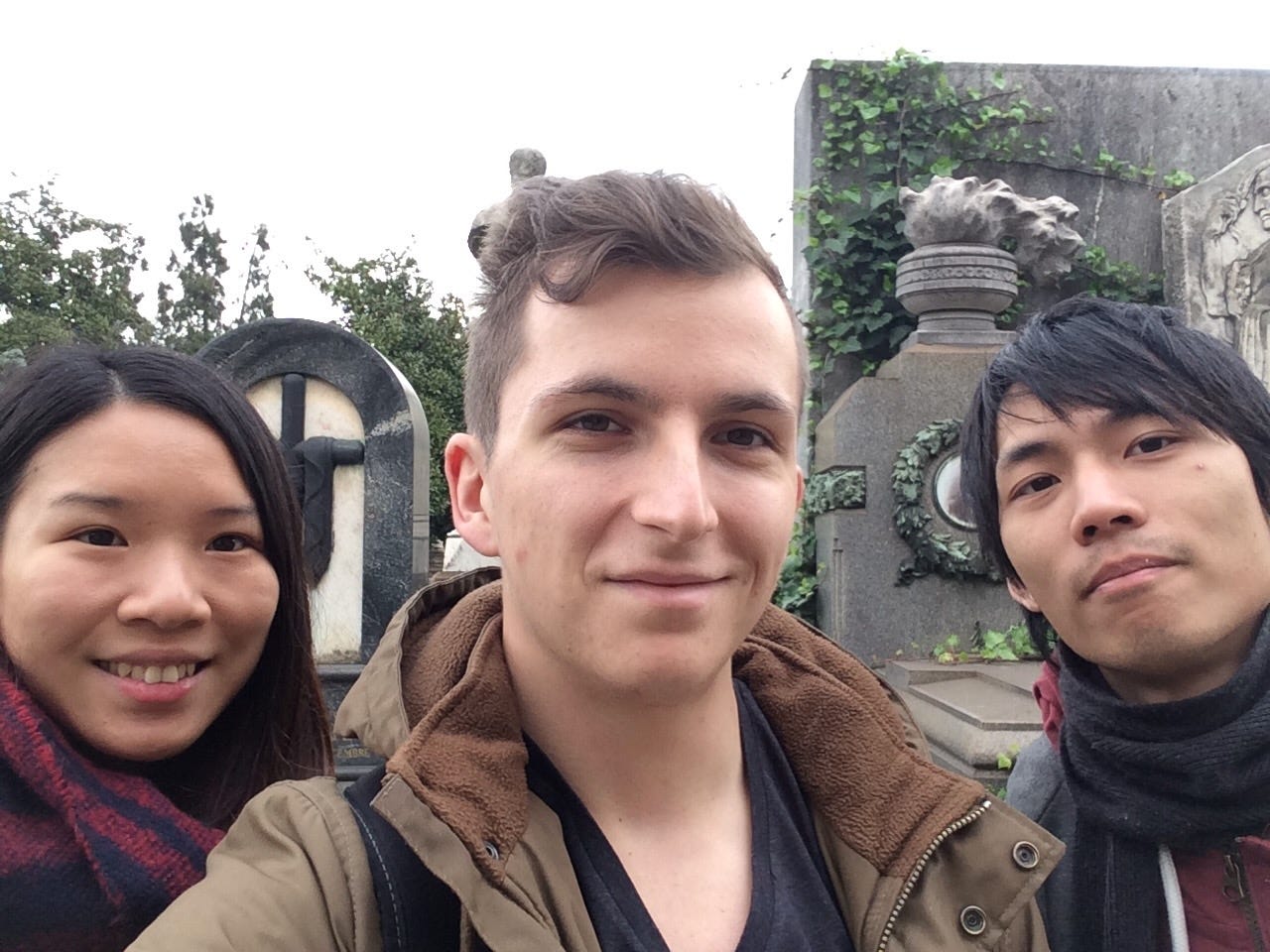
There is another reason this stayed with me: I approach strangers irrespective of gender all the time myself.
Watching them, what concerned me was how long the interaction continued while she seemed disengaged. I couldn’t know exactly how she felt, which is why I checked in. But it also made me think about my own conversations. When I approach someone, how do I make sure I’m noticing whether they actually want to keep talking?
For years, the fear of making someone uncomfortable stopped me from approaching people at all. Since then, talking to strangers has become one of the most meaningful parts of my life. I want more of those conversations to happen, and I want people to feel comfortable ending them too.
A year ago, I started approaching people on the street for my Instagram. I approached more than 500 people across Europe, and had conversations with around 100 of them. My goal was to get to know them and share their story with the world.
I was also asking to record those conversations, with their consent, to share as short videos on my socials. Even with that extra layer, people were open! Some conversations lasted a few minutes. Others went on for hours.
And the rejections? None of them were aggressive! People either did not have time, were not in the mood or just did not want to be recorded. This was a huge surprise.
Those conversations changed my life, and I made some incredible memories. They taught me a lot about human conversations, including how to leave people alone. Here’s what I try to keep in mind now:
Be okay with no conversation happening. I approach knowing the other person might ignore me or not want to talk. Anything on top of that is welcome. I don't need them to say yes, and I try not to take it personally.
Make them feel comfortable with saying “no”. Everything I do is an invitation, and I want to make sure the other person knows this. I want us both to enjoy the conversation and feel comfortable being there. I would much rather hear a “no” than have someone keep talking because they find it hard to leave.
This is especially true for the recorded conversations. I try to give them plenty of opportunities for a safe way out, early on.
Keep noticing whether they want to be there. How is their body language? Are they asking me questions? Are they checking their phone or looking away? Are they present and engaged in the conversation? If they seem uncomfortable or ready to leave, I check in or wrap up the conversation and excuse myself.
Be genuinely curious about the person. My conversations go differently when I’m curious about someone than when I’m focused on getting something from them.
There were times when I approached people just to hit my quota for social media. I kept getting rejected, which made me even more needy. I suspect that pressure came through in how I approached them. But when I’m actually curious about the person, people seem more open.
In the world of technology making us glued to our screens, social media and the news scaring us with negativity, and the loneliness epidemic sweeping across the Western world, I believe more than ever in human, offline connections.
Every person has an incredible story to share. Talking to people helps me feel more connected to the world around me. It reminds me how much I miss when I’m looking down at my phone. A five-minute conversation on the bus might lead to a friendship, or it might just make the journey a little more enjoyable. I like that I don’t know where it will go.
I don’t want the lesson from uncomfortable interactions to be that we should stop talking to each other. I want us to get better at talking to each other. And part of that is knowing when to leave someone alone.
Have you ever stepped in when an interaction felt off, or wished someone had checked in on you? Or has a conversation with a stranger turned into something you’re glad you didn’t miss? I’d love to hear from you, either by replying or in the comments.
See you next week,
Robert.
I write about connection, curiosity, and learning to participate more fully in our own lives. If that speaks to you, subscribe and come explore with me. There’s a lot we can learn from each other.
It was my first trip abroad in 2016, and I've rarely seen an Asian person in my life. So I walked up to them, and asked if I can take a picture of them, because I've never seen someone from Mongolia. They were really sweet about it. Now it is an awkward, but funny story